
Extending monitoring can start with a question about signals already available in the plant. In 2016, a wastewater treatment plant in Ukiah, California, needed to send three existing measurements to an additional PLC: one flow signal and two level signals. Its existing SCADA system could not handle all the signals required.
How the existing transmitters were retained
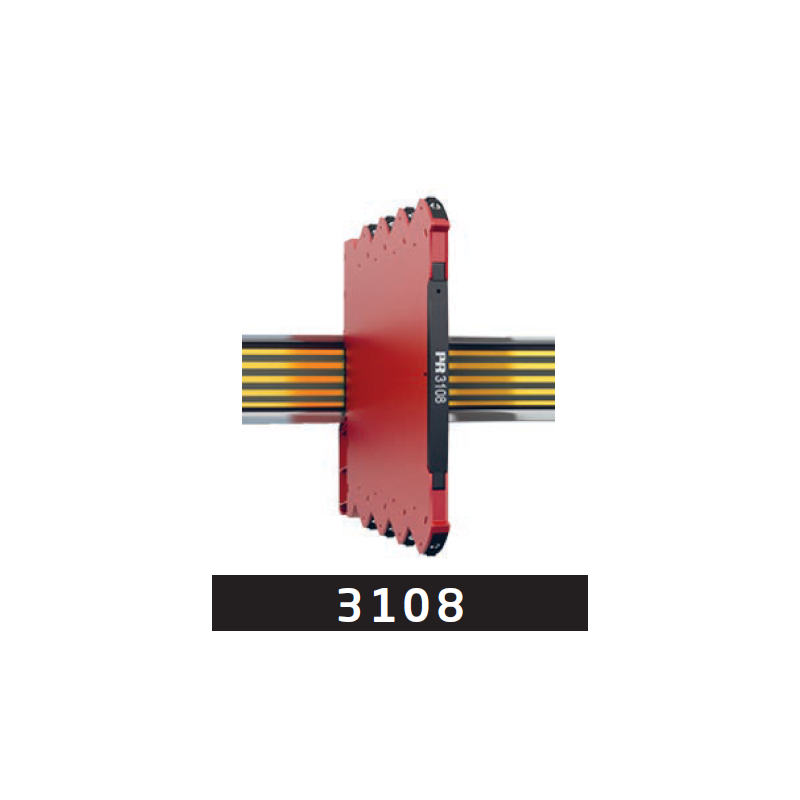
According to the Jensen Instrument case published by PR electronics, the proposed solution used PR 3108. Each galvanic isolator receives one current signal and reproduces it on two galvanically separated outputs. The same measurement can therefore reach two destinations, and the plant's existing transmitters were retained.
Within this architecture, PR 3108 duplicates the signal along two separate paths. The new PLC, operator interfaces and radio link completed the installation to provide the remote monitoring described in the official case. Each component has a distinct role along the path from measurement to operator.
Supply and load on each output
PR 3108 requires a separate supply, nominally 24 V direct current (DC). The load on each output must be no more than 300 Ω, according to the manufacturer's specification. During integration, check the two output circuits separately, along with the requirements of the connected inputs.
Checks before extending the system
Document the existing signal, its two destinations and the isolator supply. Confirm the load on each path and that the displayed values correspond in the connected systems. The Ukiah example provides a design reference; compatibility must be checked for the particular installation.
Source: ATSEN LinkedIn post, published on 26 October 2026.