
ATSEN post dated 02.09.2026
Where should threshold alarm logic reside: in a dedicated module or in the PLC?
The answer depends less on preference and more on the alarm's role in the process.
When a sensor needs to trigger an alarm, centralizing it in the PLC provides context and flexibility. A dedicated local function can simplify the path between the measurement and the relay contact.
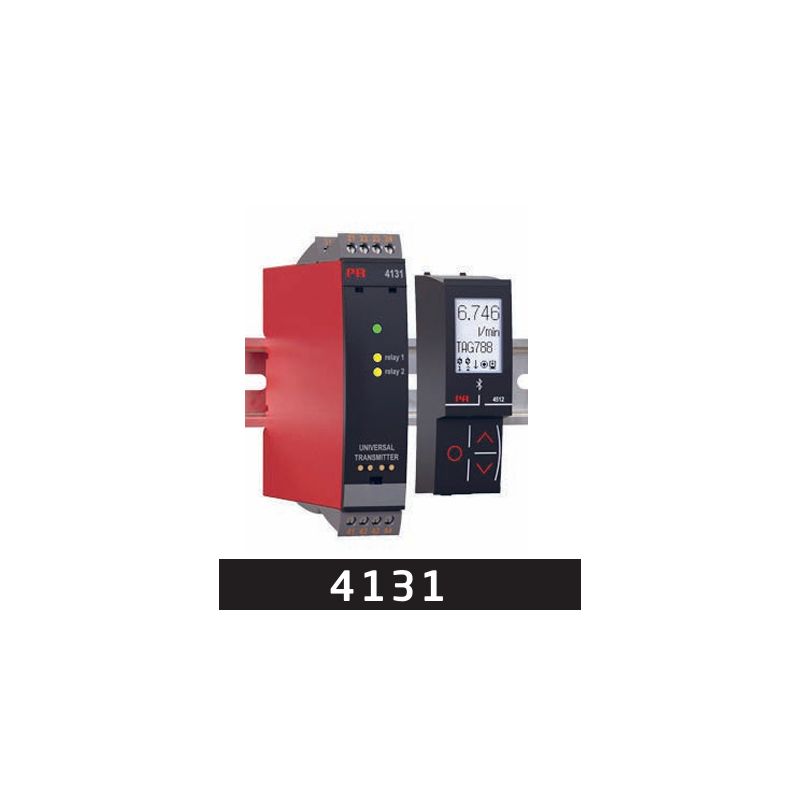
PR 4131 offers this local option for different signals:
• accepts RTD, TC, resistance, potentiometer, mA and V inputs, and can power a two-wire transmitter;
• controls two relays, allows a window with lower and upper thresholds, with latching and manual reset, and monitors sensor errors;
• offers galvanic isolation on three ports, tested at 2.3 kVAC, to separate the input, relay outputs and power supply.
This does not make the PLC redundant. It does, however, open up an architecture choice: what is worth keeping locally, and what benefits from central logic?
In your projects, where do you put the threshold alarm, and which criterion decides: the criticality of the function, maintenance, flexibility or response time?
Manufacturer's warranty: 5 years.
Manufacturer: PR electronics
For resellers and professionals in integration, design, technical procurement and panel building:
Create a company account on ATSEN:
Create a company account on ATSEN
Then contact us at 0740 231 112 or atsen@atsen.ro and mention your reseller status. After confirmation, we manually activate the reseller discount in your account.
#SignalConditioning #ProcessAlarms #IndustrialAutomation #IndustrialMaintenance
Source: ATSEN — LinkedIn